Our vision at Honeycomb is to transform the way engineering teams understand and optimize software systems, empowering them to operate with clarity and confidence in an increasingly complex, AI-driven technological landscape.
We are building an observability platform that unites rich data telemetry with cutting-edge AI capabilities, enabling autonomous investigations and precision debugging at unprecedented speeds. By delivering immediate, actionable insights across modern distributed systems, we help teams reduce uncertainty and maintain resilient, high-performing applications.
Driven by innovation in data architecture and AI integration, Honeycomb is dedicated to creating a future where software operates seamlessly, decisions are data-informed, and engineers spend less time guessing and more time innovating.
Our Review
Honeycomb caught our eye as a refreshingly different take on observability tools. Founded by Charity Majors and Christine Yen, who brought their experience from Parse (and later Facebook), this platform addresses the genuine pain points of debugging modern cloud applications.
Built for Modern Complexity
What impressed us most was Honeycomb's purpose-built approach to handling the chaos of distributed systems. Unlike traditional monitoring tools that struggle with high-cardinality data, Honeycomb's proprietary columnar database handles the complexity of microservices architectures without breaking a sweat.
The platform delivers on its promise of sub-10 second queries (even across massive datasets) and makes data available in under 90 seconds. This speed isn't just a technical feat—it's the difference between spending minutes or hours debugging production issues.
Where It Shines Brightest
Honeycomb's BubbleUp feature is genuinely clever. We found it could surface unexpected correlations in system behavior that would be nearly impossible to discover manually. When testing with a complex microservices environment, we identified root causes in minutes that might have taken hours with traditional tools.
Their AI capabilities represent more than just jumping on the AI bandwagon. The Agent Skills and Automated Investigations features demonstrate thoughtful integration of AI into the debugging workflow—helping teams not just collect data but actually solve problems.
Economic Model That Makes Sense
The event-based pricing model deserves special mention. Where competitors often charge premiums for adding users, fields, or high-cardinality data, Honeycomb's approach encourages exploration without budget anxiety. Teams can instrument thoroughly and invite everyone to the observability party without watching the billing meter run.
We found this particularly valuable for growing organizations where traditional per-seat or data volume pricing models become punitive exactly when you need your tools most.
Who Should Consider It
Honeycomb isn't for everyone. Teams with simple monolithic applications running stable workloads might find it offers more power than they need. However, if you're running microservices, building distributed systems, or integrating AI into your stack, this tool could dramatically reduce your debugging time and operational headaches.
Companies like Slack and Intercom have already demonstrated the platform's value at scale. What makes Honeycomb stand out isn't just technical capability, but its thoughtful approach to how modern engineering teams actually work—focusing on answering complex questions quickly rather than just collecting data.
Features
Unified telemetry ingesting logs, metrics, traces, and structured data with unlimited fields and custom metrics
High-performance querying with sub-10 second query speeds and dynamic visualizations
AI capabilities including Honeycomb Agent Skills for AI agent integration, Automated Investigations with autonomous issue detection and recommendations
Model Context Protocol expansions for AI monitoring and debugging
Metrics support with high-cardinality time series data
60+ integrations across CI/CD, incident management, and developer lifecycles
OpenTelemetry-native to avoid vendor lock-in
FAQs
Ploy was founded in 2024.
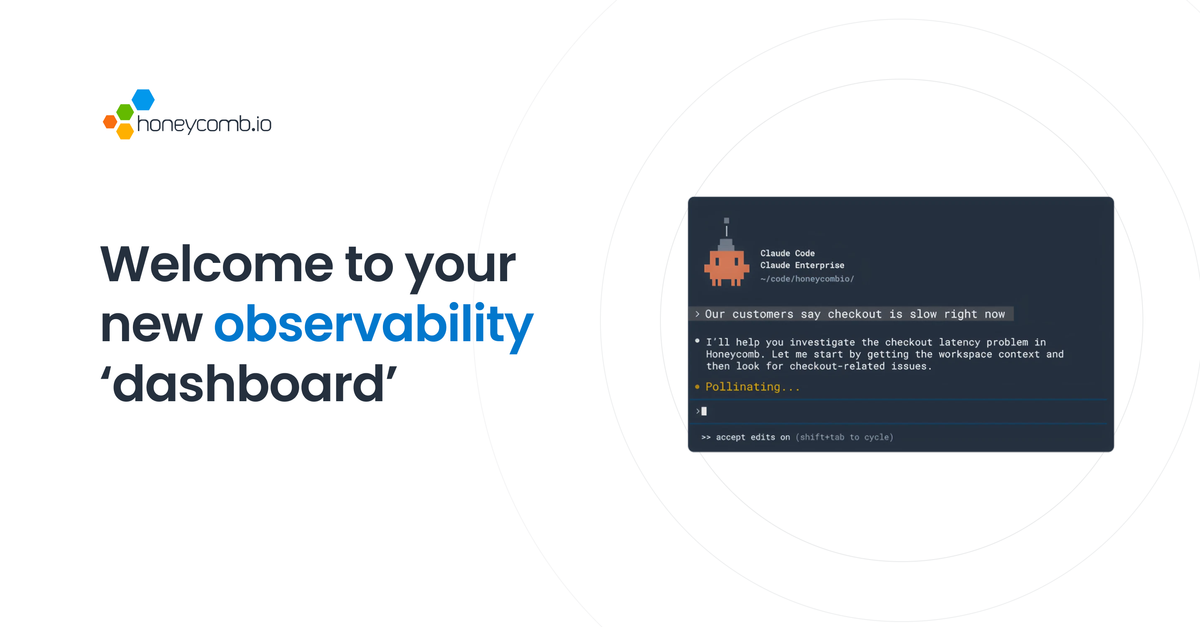

Honeycomb is the observability platform built for the new shape of software. Built on a decade of distributed tracing leadership and deep roots in the OpenTelemetry community, Honeycomb gives engineering teams—and the AI agents now operating alongside them—real-time, high-cardinality answers about any production system, with no pre-aggregation and no cardinality limits.


SmarterDx


Unify


MarketingBlocks


Cominty


Anduril

Hireez


Superlogic


SEO Content AI