We envision a future where interactive intelligence powers every conversation, everywhere — seamlessly and naturally. By pioneering novel State Space Models, we craft the next generation of AI foundation models that operate quickly and emotively across all major modalities, redefining how machines understand and generate real-time voice.
Our mission is to deliver ultra-realistic, multilingual voice AI that empowers developers and creators to build immersive conversational experiences with unprecedented speed and fidelity. Cartesia is creating a platform that makes high-quality voice AI accessible and scalable, transforming communication for agents, apps, and global audiences.
Our Review
The field of voice AI has seen remarkable advancements in recent years, but few companies have managed to combine ultra-low latency, emotional realism, and developer accessibility quite like Cartesia. We've been tracking their progress since they emerged from Stanford's AI Lab, and their Sonic-3 API represents a genuine leap forward in what's possible with voice technology.
Breaking New Ground in Voice AI
What immediately stands out about Cartesia is their focus on solving the latency problem that has plagued voice interactions. At 40ms response time (with 90ms time-to-first-audio), their TTS technology effectively eliminates the awkward pauses that make most AI voices feel robotic. We tested conversations across several use cases and found the experience startlingly natural.
The technical foundation here matters. Their pioneering work on State Space Models (SSMs) isn't just academic—it translates to voice synthesis that maintains quality while dramatically improving speed. This architecture difference gives Cartesia a fundamental advantage over competitors still using transformer-based approaches.
Emotional Intelligence That Surprises
Voice AI that can laugh convincingly or convey genuine emotion has been something of a holy grail. Most solutions either sound mechanical or veer into uncanny valley territory. Cartesia's implementation strikes a remarkable balance—subtle enough to feel authentic but expressive enough to be meaningful.
The fine-grained control over pitch, speed, and emotional tone gives developers creative flexibility without requiring deep expertise in audio engineering. We were particularly impressed with how seamlessly emotions blend into natural speech patterns rather than feeling tacked on.
Developer-First Philosophy
Where Cartesia truly shines is in their developer experience. Their playground environment (play.cartesia.ai) provides an intuitive interface for experimenting with different voices, emotions, and parameters before committing to implementation. The API documentation is comprehensive without being overwhelming.
The voice cloning capability—creating a realistic voice model from just 15 seconds of audio—opens up compelling personalization options. While other platforms offer similar features, Cartesia's implementation maintains fidelity to the original voice while ensuring natural cadence.
Their startup grants program also demonstrates understanding of the ecosystem they're building within, removing financial barriers for early-stage projects that might become tomorrow's voice-first applications.
Where There's Room to Grow
Despite impressive technical achievements, Cartesia faces the challenge of operating in an increasingly crowded voice AI market. Their emphasis on latency and emotional expression creates differentiation, but continued innovation will be essential to maintain their edge.
For developers building mission-critical applications, more transparent information about uptime guarantees and scalability would strengthen their enterprise offering. And while their multilingual support covers 40+ languages, depth of quality varies somewhat across less common languages.
Overall, Cartesia represents one of the most compelling options in the voice AI space, particularly for applications where conversation flow and emotional resonance matter. For interactive agents, real-time applications, and experiences where voice needs to feel genuinely human, they've set a new benchmark worth paying attention to.
Features
Ultra-low-latency streaming text-to-speech API (Sonic-3) with 40ms response time
Multilingual support in 40+ languages
Real-time emotion, laughter, and interaction in voice AI
Voice cloning with 15 seconds of audio
Speech-to-text complementary API
Voice library including characters, female voices, and voice changers
Web-based playground to build and manage AI voice agents
FAQs
Ploy was founded in 2024.


Our mission is to architect AI that learns and interacts like humans. Try Sonic and Ink at https://play.cartesia.ai

Assista AI
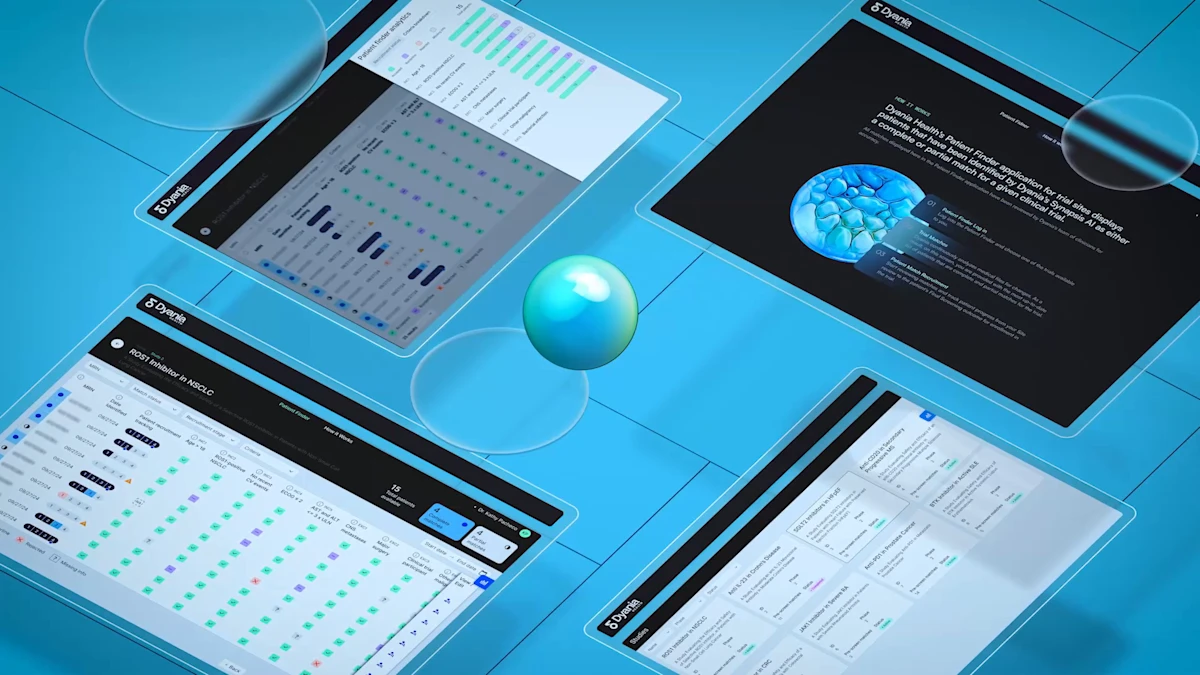

Dyania Health


MarketingBlocks


Aurora
1Node

Cody

Cluely
Spinach (remove)