
Hex envisions a future where data analytics is accessible to everyone in an organization, breaking down barriers between data experts and business users to foster a culture of insight-driven decision making. By harnessing the power of AI, Hex is creating a seamless platform that transforms complex data into understandable, actionable intelligence for all.
Through innovative technology that blends deep analytical code environments with intuitive conversational interfaces, Hex enables users to explore, model, and visualize data collaboratively without losing accuracy or context. This approach nurtures transparency and trust in data insights, empowering teams to unlock the full value of their information assets.
Hex is building a world where data is not confined to specialists but truly democratized, driving smarter organizations that can adapt and thrive in an ever-changing landscape by seamlessly integrating AI, analytics, and communication into everyday workflows.
Our Review
We've spent years testing data tools, and Hex represents a refreshing approach to analytics that breaks down traditional barriers. This platform impressively combines the deep analytical capabilities data scientists need with the accessibility business users crave.
Bridging the Technical Divide
What struck us immediately about Hex is how elegantly it solves the longstanding tension between code-first analytics and business-friendly dashboards. Rather than forcing teams to choose between depth and usability, Hex creates a seamless pathway between them. Data scientists can work in familiar notebook environments with SQL and Python, then transform complex analyses into interactive apps with just one click.
The shared context layer is particularly clever. Unlike cobbled-together analytics stacks where insights get lost in translation between tools, Hex ensures everyone works from the same underlying data models and logic.
AI That Actually Helps
We've seen plenty of hollow AI promises in analytics tools, but Hex's implementation feels genuinely useful. The Notebook Agent generates code that actually works, while Threads enables natural language queries with visible reasoning (critical for building trust).
What impressed us most was seeing how these AI features complement rather than replace human expertise. The AI acts as an accelerator for data teams and an interpreter for business users—maintaining the human judgment that's essential for good analysis.
Where Hex Truly Shines
Organizations struggling with the "last mile" problem of analytics will find the most value here. That painful gap where insights get stuck in data team backlogs instead of reaching decision-makers? Hex effectively eliminates it.
With 1,600+ organizations already onboard, including sophisticated data teams at companies like Ramp and Figma, it's clear we're not alone in appreciating what Hex offers. The platform feels particularly well-suited for data-driven companies that need to democratize insights without sacrificing analytical depth.
While we'd like to see more about pricing transparency and onboarding pathways for smaller teams, Hex represents one of the most thoughtful approaches to modern analytics we've encountered—a genuine attempt to solve the collaboration challenges that have plagued data work for years.
Features
Collaborative Notebooks: Integrated environment for SQL, Python code, and visualizations
Notebook Agent: AI code generation and natural language data Q&A
Threads: Conversational interface for data questions with visible reasoning
Modeling Agent: AI-powered semantic model building
Interactive Data Apps & Dashboards: Convert analyses into business user-friendly apps
Pre-built integrations with data warehouses and databases
Slack Integration: Work with data directly from Slack
Jobs
FAQs
Ploy was founded in 2024.

With Hex, anyone can explore data using natural language, with or without code, all on trusted context, in one AI-powered platform.

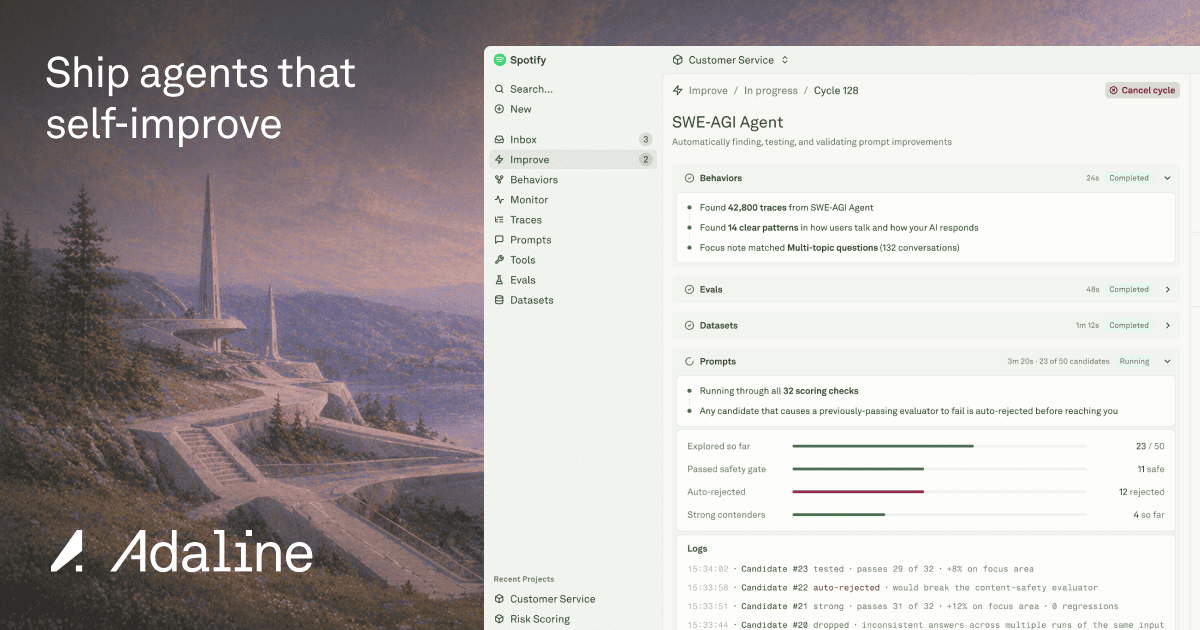

Adaline


New Generation

Fin

MercuryAi


Regie.ai


Gecko Robotics


Lightfield