
Citizen Health envisions a world where patients with rare and complex medical conditions have unparalleled control and insight into their health journeys. We exist to transform fragmented health data into a coherent, accessible ecosystem that empowers individuals and families to navigate care confidently and advocate for their well-being.
Through advanced AI technologies, we unlock personalized insights from diverse medical data—clinical records, genetics, and patient experiences—bringing clarity to the complexities of rare diseases. Our platform is not just a tool, but a catalyst for accelerating medical research and improving treatments by fostering responsible data sharing and collaboration.
At Citizen Health, we are dedicated to building a future where every patient is supported, every voice in the rare disease community is amplified, and groundbreaking medical advances are driven by the collective power of data and technology.
Our Review
When it comes to navigating the often overwhelming world of rare and complex medical conditions, Citizen Health stands out as a beacon of empowerment. We've been following their progress since their 2023 launch, and what impresses us most is how they've transformed the fragmented healthcare experience into something manageable for patients and caregivers.
A True Patient-First Approach
Unlike many healthcare platforms that feel designed for clinicians first and patients second, Citizen Health was built from the ground up by people who've lived the rare disease journey. Co-founders Farid Vij and Nasha Fitter brought their personal experiences to create something that addresses real pain points: scattered medical records, unprepared doctor visits, and the constant struggle to understand complex medical information.
Their AI Advocate app feels like having a knowledgeable friend in your pocket. We particularly value how it aggregates records from multiple providers—something that traditionally requires endless phone calls and paperwork—and then actually makes that information useful through AI-powered insights.
Where Technology Meets Empathy
What sets Citizen Health apart is the balance they've struck between technological innovation and human understanding. Their platform doesn't just collect data; it transforms it into actionable insights that help users prepare for appointments, understand treatment options, and navigate insurance hurdles.
The visit recording feature addresses a universal problem—forgetting crucial information shared during appointments. Having AI-generated summaries with next steps eliminates the post-appointment anxiety of "What did the doctor actually say?"
We're especially impressed by their commitment to privacy. In an era where health data is increasingly commodified, Citizen Health's SOC2 certification and explicit user control over data sharing reflects a refreshing ethical stance.
Moving Beyond Individual Care to Collective Progress
Perhaps the most exciting aspect of Citizen Health's model is how they're bridging the gap between individual care and broader research advancement. By enabling optional participation in Natural History Studies through de-identified data sharing, they're helping accelerate research for conditions that traditionally struggle to gather sufficient data.
Their partnership with the Chan Zuckerberg Initiative's Rare As One Project further demonstrates their commitment to making meaningful contributions to the rare disease community. With 12,000+ patients and 80+ advocacy partners already on board, they're building the kind of network effect that could genuinely move the needle on rare disease research.
While still relatively new to the healthcare technology landscape, Citizen Health represents the kind of patient-empowering innovation we need more of—technology that doesn't just digitize existing processes but fundamentally reimagines how patients navigate complex healthcare journeys.
Features
Aggregates medical records from all US providers
Analyzes clinical data, genetics, imaging, and patient-reported outcomes
Generates appointment preparation materials
Records and summarizes visits with next steps
Explores treatment options
Drafts documents for school and insurance
Answers questions about medical records and side effects
Secure patient portal for data access and sharing
Optional de-identified data sharing for research and Natural History Studies
FAQs
Ploy was founded in 2024.
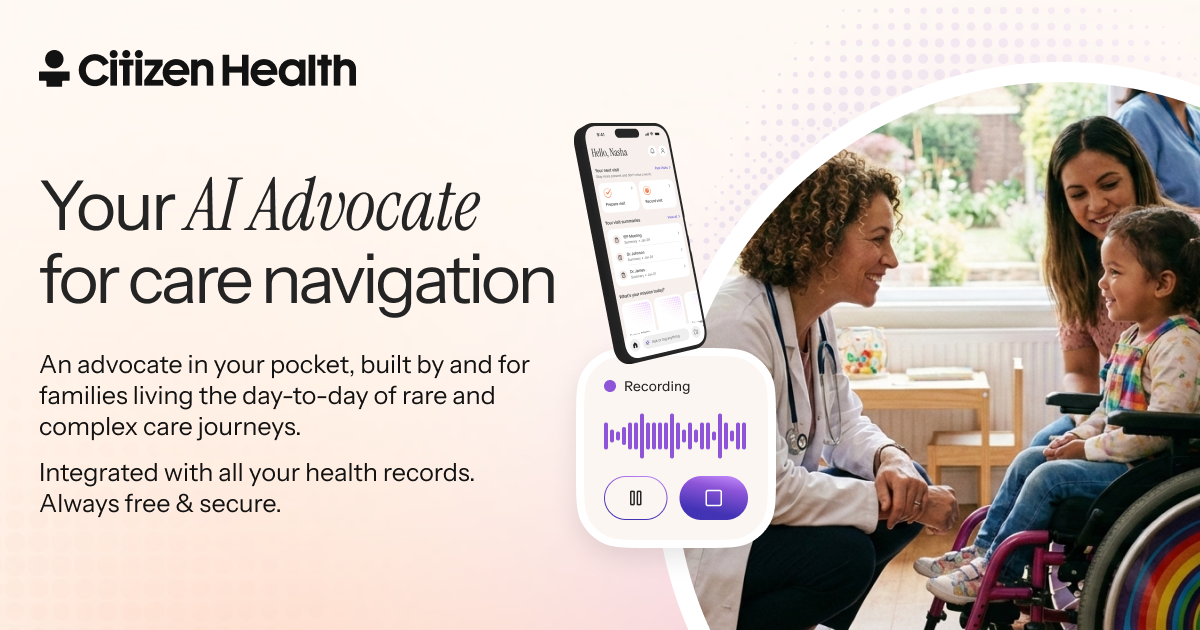
At Citizen Health, we have a singular mission: to improve the lives of the 400+ million people navigating rare and complex conditions. We empower patients with seamless access and control over their health data that they can share across our multi-sided platform with caregivers, providers and researchers to illuminate better treatment and support options, while bringing therapies to patients faster. Led by a seasoned founding team with a history of success in healthcare and consumer startups, we are a mission driven startup team of builders, advocates, family caregivers, and researchers who have had first-hand experience across the spectrum of rare and complex diseases. We support thousands of patients, work with a rapidly growing network of patient advocacy organizations, and innovate with leading biopharma organizations to accelerate therapies, always ensuring patients remain at the center.


Kling AI



Mercor

Resolve AI


Central


Adaline


Bearly