
Catena Labs is building the first AI-native financial institution, creating regulated infrastructure that enables AI agents to identify themselves, move money safely, and operate within compliance frameworks. Founded in 2022 by Sean Neville and Matt Venables, the Boston-based fintech combines payments, identity, governance, and compliance into a unified platform designed specifically for autonomous AI commerce.
The company's mission centers on creating a stronger, more resilient global economy while making it possible for AI agents to transact safely and efficiently. Catena provides both AI agents and the businesses that deploy them with a trusted financial partner and control plane for oversight, addressing the fundamental challenge that legacy financial rails are poorly suited for autonomous AI systems.
Our Review
We'll be honest: when we first heard about Catena Labs' pitch to become the "first AI-native financial institution," our initial reaction was skepticism. Another fintech promising to revolutionize everything? But then we dug deeper and realized this Boston startup might actually be onto something big.
The company is tackling a genuinely thorny problem that most people haven't even thought about yet. As AI agents become more autonomous, they'll need to handle money, make purchases, and conduct business transactions. But our current banking infrastructure was built for humans, not algorithms.
The Circle Connection Changes Everything
What caught our attention immediately was the founding team. Sean Neville, one of Catena's co-founders, previously co-founded Circle and literally invented USDC (that massive stablecoin you've probably heard of). When someone with that track record in digital finance says legacy banking rails won't work for AI commerce, we listen.
The team isn't just throwing around buzzwords either. They're building actual regulated infrastructure and even applying for a national trust bank charter. That's serious commitment to doing this the right way.
Open Source Meets Serious Money
Here's what impressed us most: Catena is developing their Agent Commerce Kit (ACK) as an open-source protocol. This gives AI agents wallets, identity verification, and built-in guardrails for financial transactions. It's smart strategy because it builds trust and adoption while positioning Catena as the infrastructure layer everyone uses.
The invite-only access suggests they're being thoughtful about rollout, which we appreciate. Better to get it right with a few pilot customers than rush to market with something half-baked.
The Funding Story Tells Us Everything
The $30M Series A led by Acrew Capital and a16z crypto in 2026 validates that serious investors see the potential here. But what really caught our eye was the angel investor list: Tom Brady, Balaji Srinivasan, and other heavy hitters who don't typically throw money at unproven concepts.
We think Catena is positioned at the intersection of two massive trends: AI automation and financial infrastructure modernization. If they execute well, they could become the rails that power the next generation of digital commerce. That's a big if, but the early signs are promising.
Features
Automated document review and extraction
Contract data analytics
Advanced AI models for legal documents
Custom integrations for workflows
Scalable and secure platform
FAQs
Ploy was founded in 2024.

Catena is a banking and governance platform for AI agents. We give agents programmable financial infrastructure. For the humans and businesses who deploy them, we provide a control plane to ensure that when agents use money, they do it safely.


Neuralk AI


Pump.co


Prompt Security


Syncly


Move AI


Creative Reality Studio (D-ID)
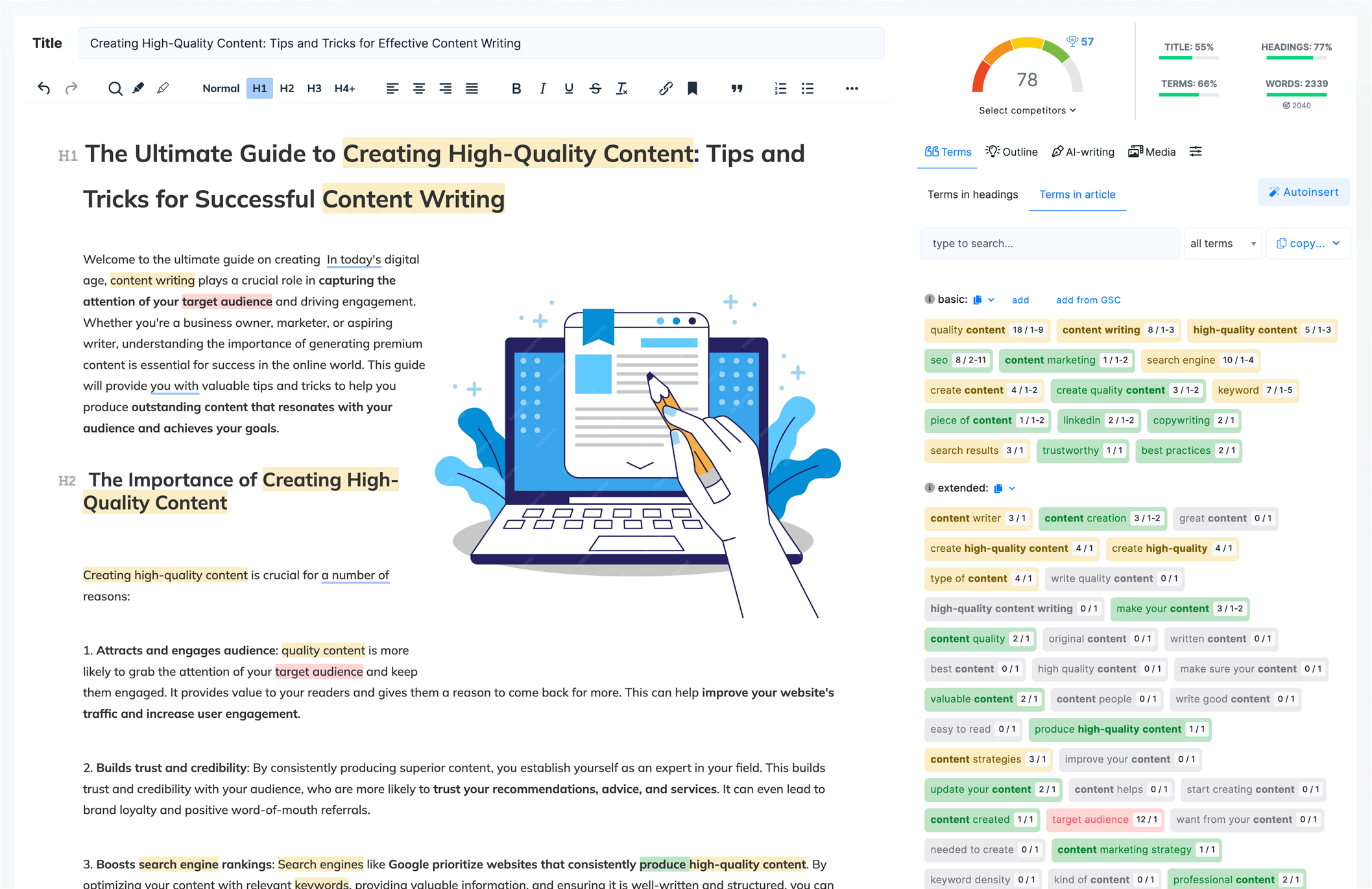

Neuronwriter


RevRag.AI